The IAEA 1568th Board of Governors meeting at the Agency headquarters in Vienna, Austria, in March 2021. Dean Calma / IAEA
Skift Take: We anticipate a convergence between travel expense management and meeting planning. Companies will see a boom in internal meetings for team bonding and training as the pandemic subsides. So they'll need software to rein in costs.
Instagram and TikTok often offer picturesque views of amazing travel destinations that can be worth the visit. However, some travel influencers are posting the reality of getting those perfect shots, and everything is not what it seems. Including in Paris, one of the most iconic travel destinations around the world.
Photographer Henry Wu recently took a trip to the City of Lights with his girlfriend Zory, who is also a photographer and content creator. On Instagram, Wu revealed how hard it could be to get the perfect shot.
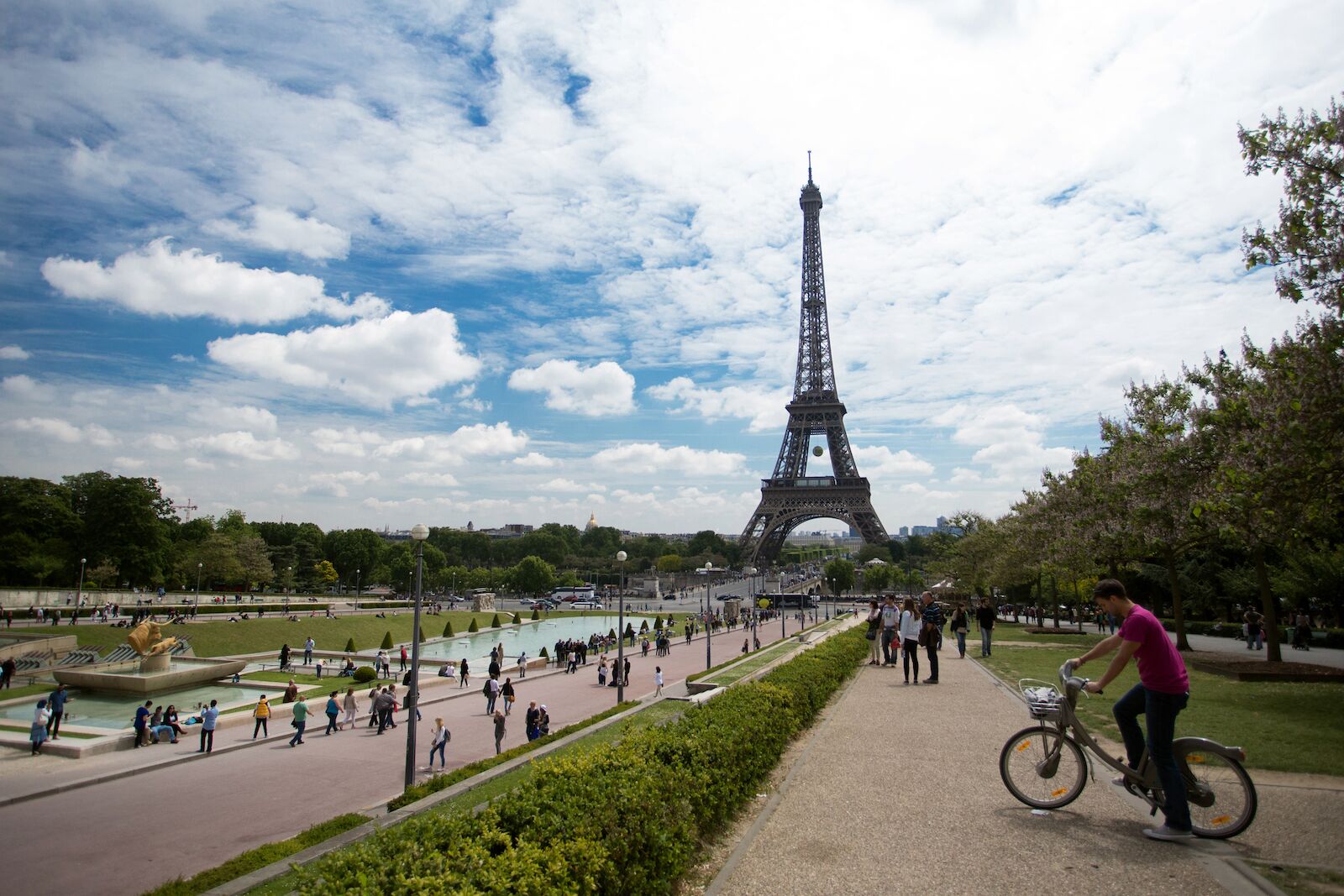
Pre-COVID-19, the Eiffel Tower attracted between five and eight million people per year, according to Statista. So if you’re planning on getting that fantastic Instagram shot, you better get there by sunrise. Otherwise, expect to spend a lot of time editing photos.
Another spot the couple hit up on their trip was the Jardin des Plantes, known for its amazing cherry blossom trees in the spring. But for the photo, the two had got there at sunrise before loads of families came.
If you’re interested in seeing the blooming Wisteria at the Grande Mosque de Paris and using it as a colorful background, you better get ready for another early wake-up call. Wu noticed that by 10:30 AM, there wouldn’t have been a shot to get. It’s also worth noting that certain types of photos at a mosque might be considered disrespectful or offensive. So it might be wise to skip the photoshoot and just enjoy the scenery.
So if you find yourself in Paris craving the perfect Instagram content, expect to get up early. If you’re not an early riser, it’s not such a bad idea to go enjoy the sites and take a couple of less than perfect photos. No pressure.
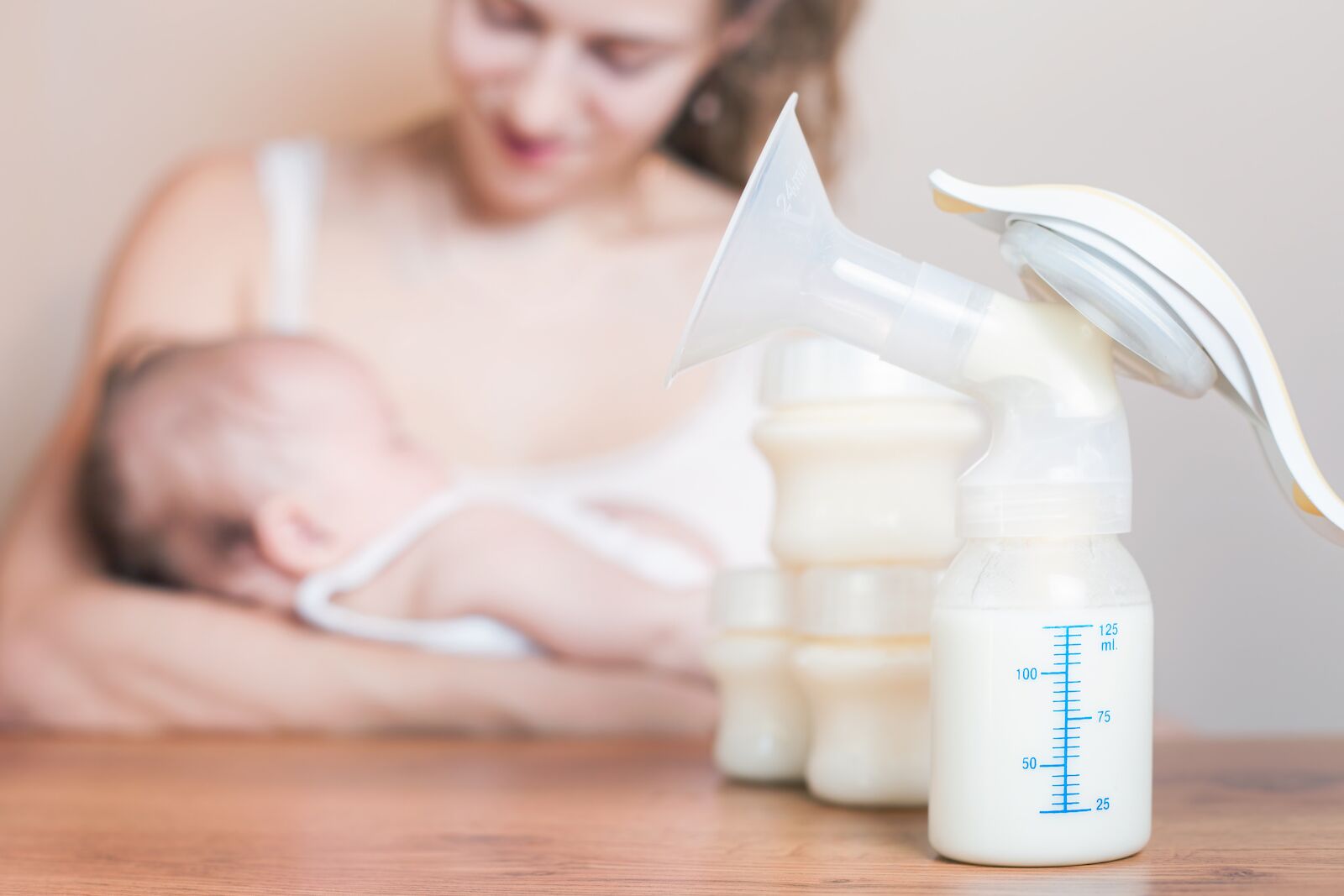
Breast pumping while traveling can be daunting, especially if it’s your first time. Being successful goes beyond just knowing the TSA regulations and breast milk storage. A holistic approach to traveling with breast milk that considers your comfort and stress level is essential.
As a first-time mother with a job that requires me to travel every few weeks across the US, I had to learn how to pump and store breast milk while traveling. I learned how to pump anywhere, from cozy airport pumping pods to fumbling in convention center bathrooms. There was so much variety in my TSA experiences that I learned the hard way the most efficient and painless strategies for traveling with breast milk by plane.
We hope you love the items we recommend! Just so you know, Matador may collect a small commission from the links on this page if you decide to make a purchase.
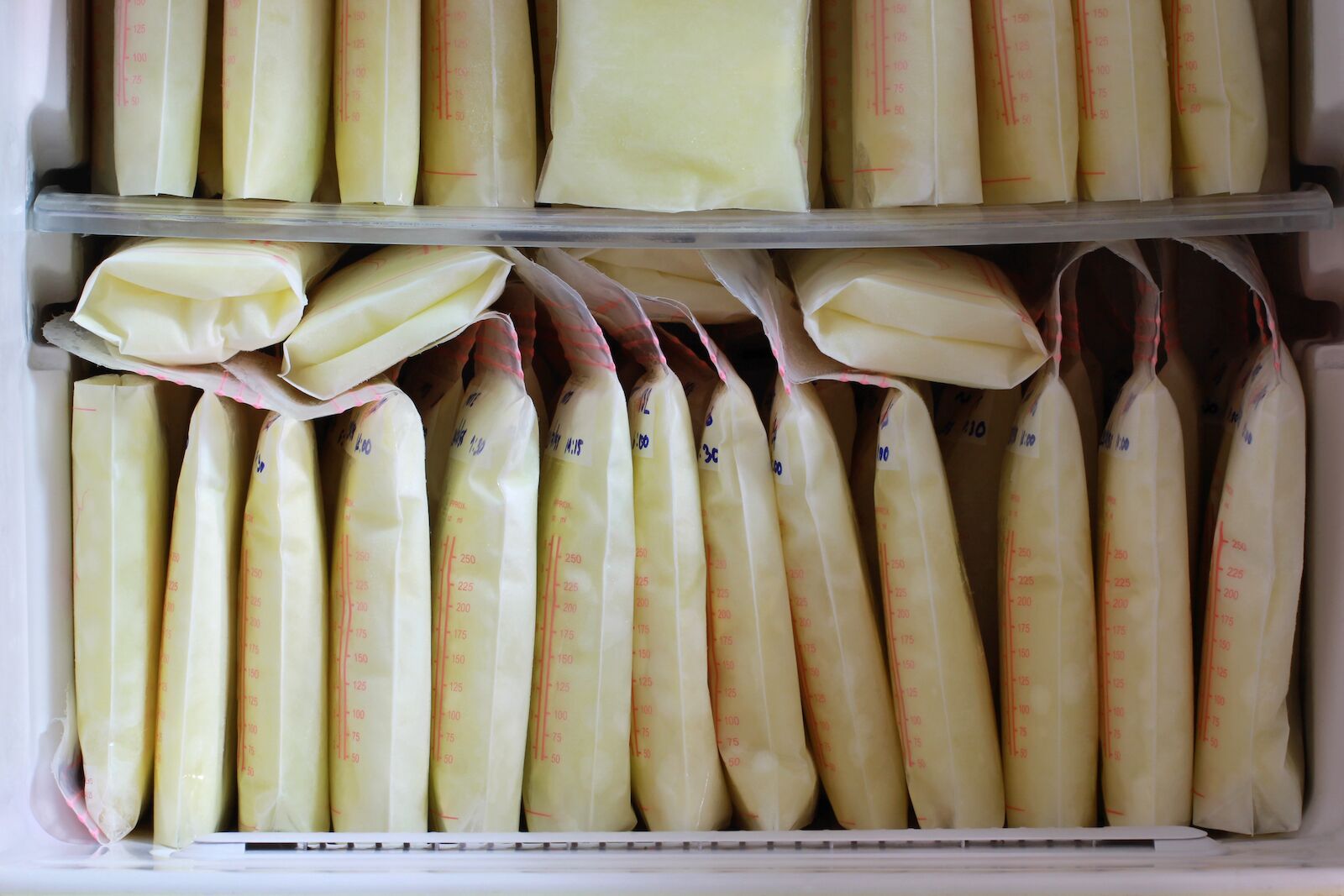
The first thing you’ll need before even boarding the plane is a few essential supplies, especially breast milk storage bags. A popular producer of postpartum products like nursing pads and nipple cream, Lanisoh, makes a sturdy and reliable version that doesn’t leak and that has well-marked measurements. You’ll need to store the milk you pump in these bags in order to transport it home.
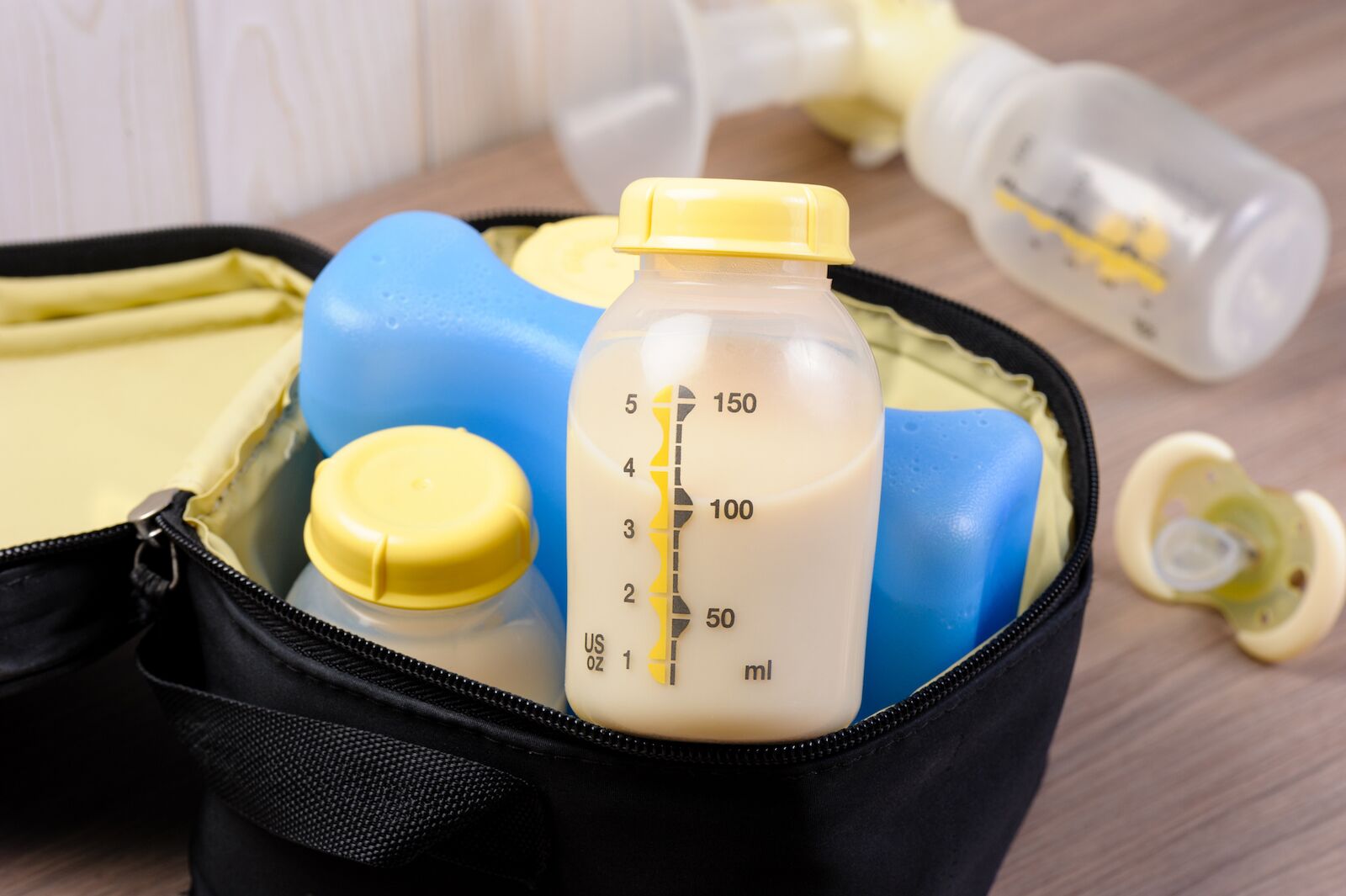
Some pumps allow you to attach these storage bags directly to your pumping equipment, but you’ll need to check the exact specifications on your pump. Otherwise, you can use the collectors that come with your pump, then transfer the milk into storage bags. Pump brands like Medela sell breast storage systems that simplify the entire process. You might also need an ice pack and a tote to carry the collectors in; Medela also sells a breast milk cooler set that combines all these items.
Here’s how Elisabeth, new mom and editor at Matador Network, prefers to do it: She usually packs four collectors in the Medela tote, along with an ice pack. At the airport and on the plane, she pumps into those collectors (she finds this is much easier to do with the lighter and more discrete manual pump, but the downside is that you can’t pump both sides at the same time with it.)
Once she arrives at her destination, she transfers the fresh milk into the storage bags which she keeps in the fridge. Throughout her stay, she pumps into the collectors and keeps transferring the milk into the storage bags until they’re full (the maximum capacity on most brands is six ounces.) Depending on the length of her stay, she brings at least ten storage bags with her so that she doesn’t run out of space to store the breast milk.
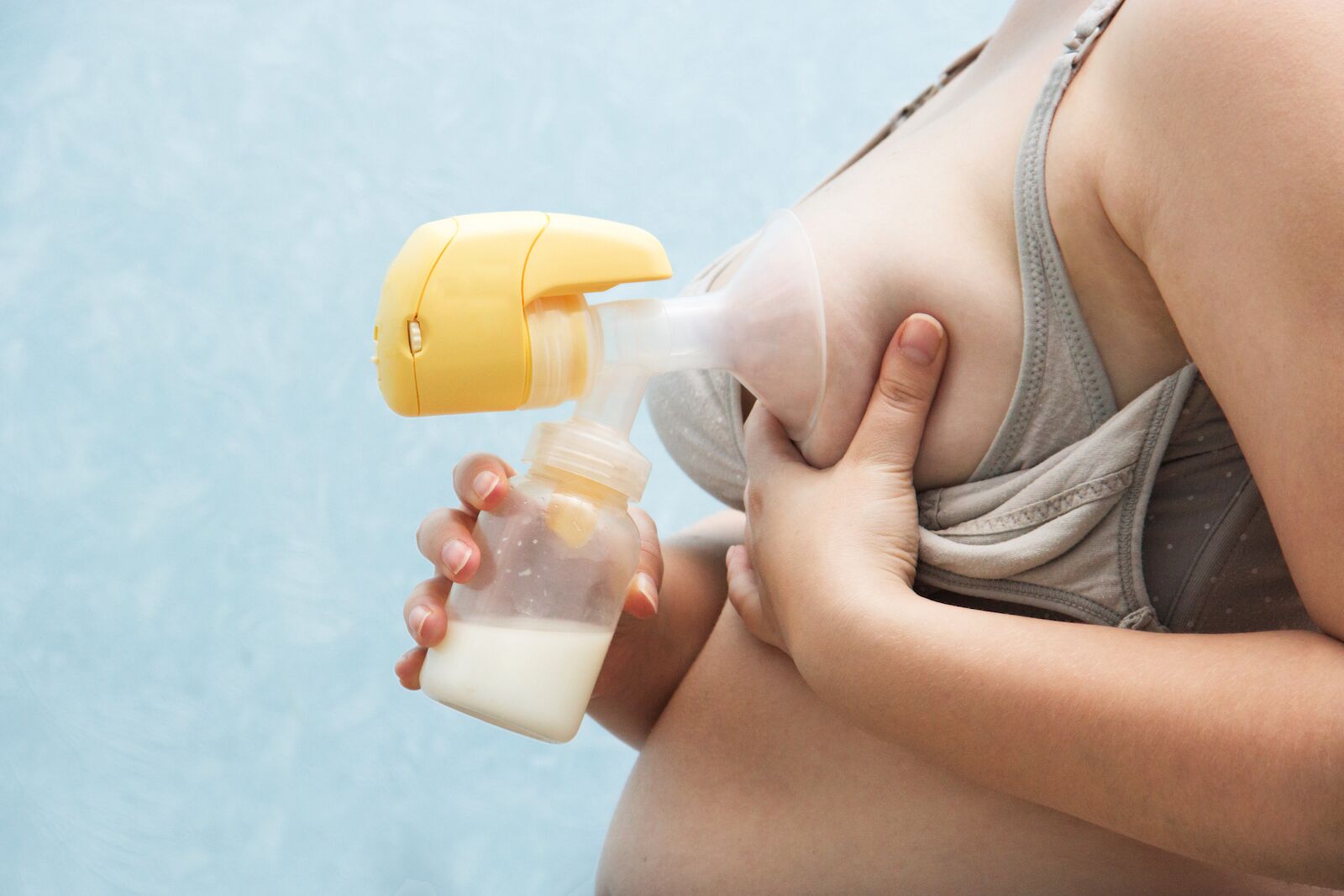
Haakaa manual breast pump. These handheld pumps can be a lifesaver in case your electric pump is out of order, or if you need to do a quick pump without getting out all the gear.
If you are traveling with frozen breast milk, the best cooler to travel with is the RTIC soft cooler. It can keep milk frozen for days and is lightweight.
Quart-sized Ziploc bags to store individual milk bags, your pump, and ice packs. As with milk bags, always bring additional ones.
Sanitation essentials
Purell hand sanitizer and Wet Ones Plus Alcohol wipes. Any methods you can implement to keep your area and equipment sanitary are key, and you can’t depend on all pumping locations to have supplies.
Medela quick clean micro-steam bags. These bags can be used for sterilizing bottles, pumps, and other accessories. They kill germs, bacteria, and yeast by using steam in the microwave.
More essentials
Lanisoh nursing pads. Nursing pads are a must-have item — the last thing you want is to be leaking and headed somewhere important with nothing to wear. You can also use washable ones, but disposable pads may be easier when you travel.
Small towel, scarf, or blanket to use as a cover-up or as a clean surface to put your equipment on in non-ideal conditions. I use this Bebe au Lait infinity scarf that was specifically made to stretch and wrap around my torso while pumping and feeding.
Extra batteries. If your breast pump uses batteries, always carry more than you think you need.
TSA regulations and personal recommendations for traveling with breast milk
TSA regulations about carrying breast milk are not straightforward, so be sure to review them before your trip. Even better, print them out and carry them with your breast milk as a reference.
Below is a simplified version of what the TSA website states, but remember that even with a reference on hand, you may still go through extended security screenings, depending on the airport.
Breast milk is permitted in reasonable quantities through the security checkpoint. Remove the breast milk from your carry-on bag to be screened separately from the rest of your belongings.
Inform the TSA officer at the beginning of the screening process that you carry breast milk in excess of 3.4 ounce (100 milliliters) in your carry-on bag. These liquids are typically screened by X-ray.
Bread milk in quantities greater than 3.4 ounces or 100 milliliters are allowed in carry-on baggage and do not need to fit within a quart-sized bag. Remove these items from your carry-on bag to be screened separately from the rest of your belongings. You do not need to travel with your child to bring breast milk.
Ice packs, freezer packs, frozen gel packs and other accessories required to cool breast milk are allowed in carry-on. If these accessories are partially frozen or slushy, they are subject to the same screening as described above.
Because TSA does not explain what a “reasonable quality” of breast milk represents, each security screening may be different.
Note that you can request that TSA agents not X-ray or open the containers of breast milk.
Tried and tested piece of advice from TSA:
During my first experience flying with breast milk, I filled each breast milk storage bag up to the brim (about six ounces/180 milliliters) and packed them all into quart-sized Ziplocs. Unfortunately, the TSA agent tested each storage bag by opening it and doing a non-invasive scan to make sure it wasn’t a harmful substance and the process was lengthy. While the agent was testing the individual bags, he gave me a piece of personal advice that helped me immensely: Only fill the bags to 100 milliliters (3.3 ounces), at the most. That way, TSA doesn’t have to check each bag individually.
Know your pumping schedule and plan for extra time
Being keenly aware of my pumping schedule and planning for extra time were the two ways I managed to travel with breast milk smoothly.
Know when you will need to pump, what your hour intervals are between pumping sessions, and the maximum amount of time that you are comfortable going between each one. This will help you greatly when you face long security lines or flight delays. Each body and each experience with pumping is different, so make sure you know what is specific to you before you travel.
However, that’s another reason the manual pump is such a lifesaver while traveling. If you find yourself in a long line at TSA, in a taxi, or another crowded location where you might be standing for a long period of time, the manual pump makes it easier to get that pumping session done without worrying about the bulk of the electric pump. Skipping a pumping session could mean hurting your supply in the long run, otherwise. Thankfully, most electric pumps come with a battery pack, so no matter what pump you choose, you don’t have to worry about scrambling to find an outlet.
Plan for delays while going through security with breast milk. As mentioned earlier, how individual airports deal with breast milk isn’t consistent, and so the only thing you can do is plan for even more extra time than usual, and be patient.
Adjusting to nursing while out in public can take some time. Learning where to pump, however, is less emotional and more tactical: Pumping has more equipment and requires a specific type of space.
At the airport and at some convention centers, I got to use my favorite pumping spot: Mamava pods. These spacious, clean pods were originally created for nursing parents, but work great for pumping too. Many are wheelchair accessible and if you download the Mamava App, you can find their locations wherever you may be. It is a great place to go and pump in peace and not fret about sanitation (they often came stocked with hand sanitizer and wipes.)
On the plane, I found my only options were to pump in the tiny bathroom or in my seat. Try to pump before or after your flight, and if you have no choice but to pump on the plane, bring a blanket, sweater or large scarf for your discretion.
On location, your type of space will vary. Hotel rooms are an obvious pumping locale, and Mamava pods wherever possible are my preferred options. I didn’t always have these options and ended up pumping in convention center bathrooms, often on changing tables in family stalls. Make sure you clean your areas before pumping to minimize contamination risks, and don’t feel guilty about how long you might need the space. These spaces are for you and you’re doing the best you can with what you’ve got.
Ways to store non-frozen and frozen breast milk when traveling
Know that refrigerators in hotel rooms are no longer the standard to depend on. If you can, check this before you get to the hotel, so you will know if you will have to pump and dump (meaning you would, as heartbreaking as it is, dump your milk out because there is nowhere to store it) or rent a fridge from the front desk. Depending on where you’re staying, you can request a mini fridge, and specify that you’re using it to store breastmilk — you usually won’t be charged.
If you do use a fridge, make sure the fridge you use is plugged in, stays cold, and isn’t turned off by a certain lightswitch in your room. Also, remember that breast milk can only be in a fridge for four days before it needs to be thrown out. When in doubt, throw it out: contaminated milk isn’t worth the health risks.
If you’re away from your baby for more than four days don’t despair! There are still ways to get your breast milk to them so that it doesn’t go to waste. You can use services like Milk Stork, a breast milk shipping company that will ship your milk home quickly, or you can purchase a cold storage box from Fedex, pack your milk into it, and drop the box at the nearest Fedex store, where it will be delivered to your doorstep within 48 hours.
Traveling with frozen breast milk
If you are traveling with frozen breast milk, consider ways to keep your cooler as cold as possible as long as possible. Pack it with lots of frozen ice packs, and pack milk tightly, as air flow will cause your milk to thaw faster. You can minimize gaps between storage bags by using newspaper as packing material and line your cooler with aluminum foil to keep the cool air inside. Keep the cooler closed as much as you can to keep the temperature cold. By following these methods, your milk should stay cool for 24-48 hours.
Conference attendees mingle in the halls of a hotel convention center in 2008. HotelPlanner specializes in group bookings for events. Dion Hinchcliffe / Flickr.com
Skift Take: HotelPlanner found itself a niche in leisure-oriented hotel bookings for groups. It is bent on disrupting the call center model in travel, but will have to prove that its gig-economy customer services agents can develop travel expertise.
In Italy, the phrase prendiamo un caffè – “let’s get a coffee” – is loaded with meaning. From the macchiato you throwback at an opulent bar in Milan to the espresso you savor al fresco in Palermo, getting a coffee in Italy involves engaging with a well-established set of cultural and culinary regional practices.
Coffee arrived in Italy in the late 17th century, entering Venice from the Ottoman Empire. When Venice’s first cafe, Caffè Florian, opened in 1720, coffee consumption became popular among wealthy intellectuals. It wasn’t until the early twentieth century — relatively recently, in fact — that coffee became more widely accessible.
In 1905, Luigi Bezzera and Desiderio Pavoni, both mechanics from Milan, teamed up to improve on the steam-powered coffee machine that launched at Turin’s General Exhibition in 1885. The improvements Bezzera and Pavoni added enabled the water to get hotter and the machine to produce more pressure when brewing. While their machine didn’t produce espresso by modern standards, coffee could be prepared faster than ever before.
This quick-serve style of coffee arrived alongside the industrial revolution. Coffee transformed into an affordable indulgence that exhausted workers could grab running to work. But it took Italy’s economic boom following the second World War for espresso as we know it today to embed itself into Italian culinary culture.
While American money from the Marshall Plan was helping to reboot the Italian economy and increase wages, Milanese engineer Achille Gaggia was building a lever-operated horizontal espresso machine. Not only did the horizontal positioning enable drinks to be briskly passed from server to customer, the machine also exerted nine bars of pressure. This pressure resulted in a frothy cap on top of the coffee, known as crema. Modern espresso had arrived.
If you’ve visited Italy and tried to order a post-lunch cappuccino, you probably are already familiar with the coffee rituals and routines that Italians revere. Alongside these rituals sit unique recipes, roasters, and drinking styles, all of which vary across Italy’s twenty-one different regions. Being fluent with these nuances is key to enjoying your caffè all’italiana (Italian-style coffee).
Before we delve into these regional traits, we need to establish the coffee protocols that are universal throughout Italy. First, call it caffè, not espresso. Second, milk is reserved for morning drinks – you’ll struggle to find an Italian drinking a cappuccino as an afternoon pick-me-up (bad for the digestion, they’d say). You’ll pay less to drink standing at the bar, as the government controls the price of an espresso to keep it affordable (a 2021 survey says the price of a standard caffè tops out at 1.21 euro in Trento). Drinking at the bar is also a social experience; Italians see coffee as an excuse to chat. This ritual starts in the morning, when people catch-up with friends over colazione al bar (breakfast at the cafe), then continues throughout the day with regular breaks for a pausa caffè (coffee pause).
Head to the North – which for the purposes of this article we’ll say extends as far south as Rome – and you’ll be among the country’s most illustrious coffee cities. There are internationally renowned roasters in Turin (Lavazza) and Trieste (Illy), while opulent, storied cafes dot cities from Florence to Bologna.
No matter where you go in the North, there are some key commonalities between the styles of coffee you’ll encounter and ordering strategies you’ll need to get your perfect drink.
The majority of cafes serve only one brand of coffee. In the North it’s frequently Illy or Lavazza, though also common is Caffè Vergnano, which comes from a town outside Turin. While these are reliable options, you should also seek out smaller, regional roasters to sample more unique flavors. Each city tends to boast their own hyper-local roaster, from Caffè Janko in Pavia (Lombardy) to Spinetta in Valdobbiadene (Veneto). Also notable are Caffè del Doge, tucked behind the Rialto Bridge in Venice’s San Polo district, Rome’s Sant’Eustachio near Piazza Navona and Bergamo’s third-wave roaster Bugan Coffee.
These northern roasters tend to favor Arabica coffee beans, which produce a drink with a thick body. The aroma can range from floral to caramel notes, depending on how long the beans are roasted.
Arabica coffee provides an ideal canvas for dessert-worthy drinks. For a chocolate-dusted pick-me-up, head to Milan and order a marocchino, which mixes espresso and steamed milk with a generous dusting of cocoa powder. Turin’s bicerin layers espresso, hot chocolate and milk with a spoonful of whipped cream on top – you can find it across the city, or head to its source Caffè Al Bicerin. Complete your chocolate-coated coffee tour in Padua, where the historic Caffè Pedrocchi serves espresso blended with mint cream and cocoa powder.
There are also more moderately flavored drinks to sample. When in Trieste, opt for a capo in b. Served in a small glass, the drink has more milk than a macchiato but less than a cappuccino. A similar formula is available in the Veneto by asking for a macchiatone. If you’re trying to pass as a local near Milan, you can order your cappuccino by requesting a cappuccio. And for a post-dinner pick-me-up, Livorno in Tuscany offers the potent ponce (punch), which combines espresso, rum, sugar and a lemon peel.
For breakfast around Milan or Turin, order a brioche. This croissant-shaped pastry can be eaten plain, or vuota (empty), but is more likely to come filled with sweet options like crema pasticceria (pastry cream), marmellata (jam, typically apricot) or gianduia (or its name-brand equivalent, Nutella). And if it’s dessert for breakfast you’re craving, seek out bomboloni, sugar-dusted doughnuts filled with pastry cream, or a veneziana, a cream-filled pastry most commonly found around Milan.
Once you head south of Rome, coffee flavors and rituals transform. Broadly speaking, southern coffee roasters tend to appreciate Robusta beans more than they do in the North. This quick-growing, hearty coffee varietal has a strong, bitter taste. The presence of robusta in the coffee gives the area’s drinks a distinct bittersweet tinge.
Many people choose to accentuate robusta’s flavour by ordering a caffè ristretto, or a restricted coffee. In comparison to a standard caffè, caffè ristretto is made by letting water pass more quickly through the coffee grounds during brewing. While this results in a smaller overall quantity of liquid, the flavour is more concentrated. The resulting coffee is also lower in caffeine since the water has less contact time with the grounds during which to extract it. Most people sweeten their caffè ristretto with sugar.
Naples should be your first stop. Start by popping into a postage stamp-sized bar on Spaccanapoli – a collection of streets splits the historic center in two. Inside, you’re likely to find locals trading quipps about soccer over a caffè al volo (coffee drunk on the run). From there, walk over to Caffè Gambrinus, whose belle epoque interior has hosted leading Italian intellectuals. Splurge on table service to sip coffee elbow-to-elbow with well-heeled locals savoring baba au rhum, Naples’ favorite cream-stuffed, liquor-soaked pastry.
This dichotomy of the grand cafe and the casual bar permeates southern Italy. In Palermo you can bounce between wood-clad Antico Caffè Spinnato and trendy bars in the seafront Kalsa district. Cosenza’s (Calabria) Gran Caffè Renzelli opened in 1803, while in Lecce (Puglia) the cafe Doppiozero weaves together new American cuisine with Italian coffee rituals. And in Bari (Puglia), Martinucci serves traditional pastries among modern decor.
Both types of cafe offer an extensive array of one-of-a-kind, regional drinks. In summer, you can sample everything from a simple caffè sul ghiaccio (espresso over ice) to a caffè shakerato (espresso shaken with ice, milk and sugar). While these are available at bars throughout the south, there are a few more drinks that merit a detour. Head to Lecce to try the city’s iconic caffè leccese, which swaps the simple syrup in a shakerato for almond syrup. And in Sicily, it’s acceptable to order a granita al caffè (sweetened shaved ice with espresso and cream) all day long.
No matter what drink you choose, you’ll want to sample the region’s pastries alongside your coffee. While many of the breakfast pastries have the same crescent shape as their northern counterparts, in the South they’re referred to as cornetti. Order a brioche and you’ll receive a yeasted roll, sprinkled with sugar. Like in the North, you can find cornetti with many fillings, but pay special attention to those filled with regional specialties, such as ricotta or pistachio cream.
Southern pastries extend beyond cornetti. In Puglia, sample a pasticciotto. These ingot-shaped cakes combine a thick pasta frolla (shortcrust pastry) exterior with a filling of crema pasticceria, which can be studded with candied cherries or citron. Occasionally you’ll find slices of crostata (tart), slick with apricot jam. And you can even opt for a sfogliatella, a Neapolitan favorite. These can be made either riccia – which involves filling an ultra-flaky pastry with cream – or brioche – stuffed with the likes of cream, chocolate or Nutella.
Matador Network will be taking travelers to Mexico City and Oaxaca from October 24 to 30, 2021. Venture into the cultural heartland of two of Mexico’s most celebrated cities and join in the excitement of the days leading up to the Day of the Dead festivities! For more details, check out Matador Trips.
An artist as dynamic as Frida Kahlo deserves to have her work showcased in an equally bold setting. Mexico City’s newest exhibition, “Frida: La Experiencia Inmersiva,” lives up to the task.
The installation opened in Kahlo’s hometown last month in celebration of her would-be 114th birthday. Part music and light show, part living diary, and part interactive experience, the exhibition is the latest in the immersive art trend that garnered traction in the past couple of years with the wildly successful launch of the traveling “Van Gogh Alive” exhibit.
According to Cocolab, the multimedia experience brand that produced the show’s visual effects, “Frida is an immersive, multi-sensory experience that takes the work of artist Frida Kahlo and presents it on a monumental scale accompanied by music, scenography, sculpture, interaction, and digital animation.”
A 35-minute light show illuminates many of Kahlo’s most moving works, including “The Two Fridas” and “The Broken Column.” In total, the installation uses 90 projectors and 50 speakers to breathe new life into the artist’s vision.
Also included in the exhibition are interactive displays such as “Free Stroke,” which invites visitors to create digital masterpieces of their own, and a “Fantastic Creatures” game room that lets visitors select the subjects from Kahlo’s work that they most identify with. Even the bones of the exhibition space honor the artist’s genius, with thoughtful touches like textured curtains, visuals projected on the floor to mirror the artworks on display, and walls designed to disappear to make the installation feel limitless and larger than life.
“Frida” also immerses visitors in Kahlo’s life. The exhibition is soundtracked by Spanish musicians the artist loved, and it includes narration from her personal journals and letters. This allows visitors to “get to know Frida’s paintings, but with a little bit of familiarity and intimacy,” Kahlo’s great-grandniece Mara de Anda told Agence France Presse. “I believe that Friday was very avant-garde and modern, so this fits perfectly. She was a woman ahead of her time.”
According to Spanish news organization EFE, Anda also expressed her family’s hopes that the installation will help viewers get to know the woman behind the artwork, “not the Frida who suffered, but the one we know and the one we love.”
This hope reflects the nature of Kahlo’s work. Famous for her self-portraits, Kahlo’s portfolio reads like an autobiography, chronicling her life as a woman, an artist, an influential figure, a person with illnesses and disabilities, and the wife of fellow artist Diego Rivera, whose romance with Kahlo was notoriously complicated.
“Frida: La Experiencia Inmersiva” is on display every Tuesday through Sunday in the Frontón México entertainment center by Alameda Central, the oldest public park in Mexico City and one that’s fittingly ringed by several must-see museums, including the Museu Nacional de Arte, Museu de Arte Popular, and Museo Mural Diego Rivera. Art-loving travelers in the Mexican capital can experience all of the above on a single outing, then head to La Casa Azul, or Blue House, a museum dedicated to Kahlo housed in the home she once shared with Rivera.
Tickets to the exhibition range between $14 and $18, and shows start on the hour from 10:00 AM to 7:00 PM. For optimal immersion, visitors can download the Frida app, which syncs with the audio-visual performance and offers more in-depth background on the artist and her works.
For US-based Frida lovers, “Frida Kahlo: Timeless,” an exhibition displaying 26 of her paintings, will be taking place in Chicago until September 6, 2021.
An airplane in an aircraft hangar. IAG, International Airlines Group, sped up its sartup accelerator in 2020. Hangar 51 accelerated 22 startups — its largest cohort yet. IAG
Skift Take: You might have expected that the pandemic would prompt International Airlines Group (IAG) to pause its startup accelerator. But IAG's head of innovation, Dupsy Abiola, says the program gained momentum instead.
Twenty-four hours before my first campervan trip, the only thing I had planned was where to pick up the van. I’d be flying into Las Vegas from San Francisco, collecting a Kuga Campervan from the Travellers Autobarn location off The Strip, and driving east toward Zion National Park, where my friend and I intended to kick off a weeklong road trip through southern Utah.
Twenty-four hours into the trip, our sink sprung a leak, and our demountable table broke, requiring the services of a welder when we reached the town of Escalante. This was one of several hiccups no amount of planning could have preempted.
That said, for spontaneous travelers, #vanlife trips provide a level of freedom that’s unparalleled. You can go anywhere your four wheels will take you, your lodging and basic amenities are built-in, and you can piece together an itinerary around your favorite activities. There are, however, a few realities of vanlife that are worth preparing for in advance.
From one non-planner to another, here are eight van travel tips from an impromptu trip through the Utah desert that’ll help get you hooked on the unfettered vanlife forever.
Figuring out where to sleep each night is one of the biggest obstacles spontaneous campervan travelers face. Last-minute campgrounds can be hard to find, fully booked, or prohibitively expensive. Thankfully not all campsites require reservations.
Dispersed camping describes camping outside of an established campground. This is permitted on most public lands managed by the US Forest Service (USFS) and Bureau of Land Management (BLM). Some national and state parks also allow dispersed camping in certain wilderness areas. The rules for selecting a dispersed campsite vary depending on your destination but are generally as follows: Travelers may camp permit- and cost-free at a given site for up to 14 days within a 30-day period provided it’s at least 150 feet from a main road, 100 feet from a stream, and one mile from any designated campgrounds.
Included in our Travellers Autobarn rental was a 90-day free subscription to The Dyrt, a campsite locator service that allows users to filter their search by free sites. This not only helped us find dispersed campsites a stone’s throw from popular national parks such as Zion and Bryce Canyon during peak season, but it also saved us the trouble of attempting any off-roading that our van was not equipped to do. Because most national forests and monuments like Escalante-Grand Staircase are managed by the USFS or BLM, these areas provided us with the greatest number of options and near-total privacy everywhere we parked.
Other resources campervan travelers can use to find dispersed campsites include FreeRoam, iOverlander, and Campendium. More information on camping in specific wilderness areas can be referenced directly on the USFS, BLM, and National Park Service websites.
Campervans are mobile shelters, rendering tent camping redundant. Nonetheless, there may still be situations in which you’ll appreciate having a tent on hand. Some of the prettiest campsites we discovered required high ground clearance, four-wheel drive, and premium maneuverability. Depending on your van, rugged terrain and narrow roads could be obstacles in claiming ideal campsites that are otherwise accessible on foot. Even in wide-open areas, a tent can offer a reprieve from sleeping in a stuffy van on 100°F summer nights.
Having a tarp nearby is helpful in these situations. It can offer added protection from the elements, be it sun or rain, as well as prevent wear and tear on your tent. For vanlifers, tarps can also be used as makeshift shower curtains, changing stations, picnic blankets, and sleeping bag or duvet buffers if you want to lay out under the stars. Whether you end up using it or not, a tarp is one cheap, compact, multi-use tool that’s always worth loading into your van.
3. Always decide where you’re sleeping before nightfall.
While campervan trips afford travelers the flexibility to decide where they want to go on a whim, aim to choose your nightly campsites before dusk. In unfamiliar areas, daylight is invaluable for scoping out the terrain, heeding any signage, and setting your camp up safely. Because you’ll most likely be relying on apps and websites to find your campsites, getting a headstart on your search also ensures you’ll have enough cell service or WiFi to find your best option and download offline maps to navigate off-grid areas later on.
Nightfall is less problematic for vanlifers who stick to cities where they can try stealth camping, such as sleeping at a truck stop or in the parking lot of a Walmart, Home Depot, or 24-hour business. You’ll still want to know where these stealth campsites are located lest you end up driving all night in search of one. Beyond finding overnight parking that’s unlikely to get you towed or fined, many cities also have laws about sleeping in your vehicle, so be sure to brush up on what is and is not allowed before settling in for the night in an urban area.
On the road, like anywhere else, water is a vital resource. You need it to stay hydrated, clean, and cool. Even if your campervan comes with running water, that water may not be potable, and your sink will likely be too small to wash much more than dishes. Though vanlifers have discovered many creative ways of keeping themselves and their clothes clean, such as taking advantage of gym passes and laundromats if they’re passing through cities, dispersed campers may not have access to these amenities. Then there’s the issue of plastic waste when it comes to stockpiling your van with store-bought gallons. Enter Dromedary bags.
A Dromedary bag is a hydration bladder similar to a Camelbak, though the largest Dromedary can hold up to 10 liters of water compared to the largest Camelbak’s three liters. Dromedaries are also outfitted with a hanging strap and three-in-one cap that can release both small and large streams, and they can be easily refilled wherever you might top up a water bottle or your van’s water tank. While our Camelbaks were convenient on long, sweltering hikes, our Dromedary was essential, from serving as a water storage system to acting like a faucet before we were able to find the necessary part to fix our sink. It even functioned as a shower we could hang from a tree branch or the back of our van. After all, wet wipes only go so far.
5. If you can, have a high-quality cooler on hand.
After a lifetime preparing backcountry meals with basic camping cookware, venturing into the wilderness with a kitchen in tow was a luxury. Our campervan came outfitted with a two-burner gas stove, a solar-powered mini fridge and freezer unit, a small sink, and a microwave for when the van was plugged into a power source. For an additional fee, Travellers Autobarn also provides cooking essentials such as pots and pans, cutlery, and a kettle.
To avoid unnecessary detours and keep our journey as flexible as possible, my friend and I endeavored to make just one grocery run on the first day of our trip. We loaded our pantries with a modest array of spices, condiments, dry goods, and resealable snacks, and we stocked our fridge with long-lasting produce and proteins such as apples, carrots, celery, eggs, and marinated tofu. A few bags of frozen vegetables, a couple of chicken breasts, and a box of veggie burgers just barely fit in the freezer. A few days later our fridge malfunctioned.
Though we were able to meal-plan around any serious spoilage, I found myself wishing we’d brought a cooler on multiple occasions, whether to use as a backup refrigeration unit, cool extra beverages, or simply store loose items while driving. The few coolers we saw on sale at gas stations and country marts mid-trip were made of styrofoam, which are not only less effective but also less sustainable than insulated coolers.
Good-quality coolers can be expensive, but if you plan on making frequent campervan trips, they’re worth the investment. Space is another consideration, though there are enough hard and soft coolers in various shapes and sizes on the market to suit almost any campervan setup. And even if it’s not being used to keep food and drinks fresh, well, what is a cooler if not additional, road-secure, easily organized storage space.
Gas is expensive, and campervans have big tanks. Fueling up is easily one of the biggest expenses vanlifers can expect to incur on their journeys. While spontaneous travelers may not know where they’re going to be from one day to the next, they can still try to keep costs low. One way to do this is to let favorable gas prices decide when you should fuel up, not the emptiness of your tank. Google Maps can also help. Often, the price per gallon is listed when you search for nearby gas stations, and the difference between neighboring stations can be significant. A 50-cent disparity may not seem like much when you’re looking at the map, but if your tank holds roughly 26 gallons, those savings will start to add up quickly.
In a campervan, all the most useful gear serves multiple purposes. In the kitchen, for example, an eight-quart pot can be used as a saucepan, a skillet, a kettle, and a mixing or serving bowl, as well as an empty vessel to keep other items tidy when they’re not in use.
Beer is not the first thing that comes to mind when we think of gear. Sure, cracking open a cold one after a long drive or hike is a simple pleasure for those who drink, yet even for those who abstain, beer can be handy if you’re comfortable keeping it around. It can be used to tenderize meat, which is wont to get overcooked on a propane stove. One of our favorite dinners was the result of a half-drunk Modelo Chelada Tamarindo Picante, which we repurposed to marinade chicken in lieu of buying spices we would hardly put a dent in. Resourceful chefs can also use tasty craft beer as a simmering liquid, the base for a sauce, or a flavoring agent for one-pot meals such as chili. Because it’s yeasted, bakers can even whip up simple bread using beer.
Carbonation and acidity are two more boons. On one occasion, I used beer to remove rust from metal utensils, letting them soak as the bubbles broke down the unwanted oxidation. I’ve also used beer to put out campfires without depleting my water supply, as the alcohol content in most brews is not high enough to catch fire. Though I’ve not tried these hacks myself, I’ve even heard of people using beer to shampoo their hair or soak their feet after long hikes. Odd? Maybe. But people pay good money at beer spas, and we could all use a little pampering on the road.
Long before #vanlife started trending on Instagram, RV travel was a way of life. This explains why there are RV parks located near so many of the most popular national parks and attractions. For campervan travelers, these outposts are an invaluable resource. The staff, and many of the patrons, are well-versed in the road-trip lifestyle and generally happy to give directions, answer questions, and offer help. Unless an RV park is full, campervan travelers may also be welcome to plug in, empty or fill their water tanks, and even spend the night.
On the one occasion we were turned away from an RV park because there was no water refill station available, the attendant directed us to a small state park down the road. We had to pay a modest fee for a day pass, which gave us access to all the basic amenities we had forgone in our week of dispersed camping. We dumped our gray water, topped up our tank, refilled our Dromedary and Camelbaks, and even stayed for a spontaneous lake SUP session. Unlike big-name national parks, smaller city, county, state, and regional parks are a cheap, uncrowded, and stress-free wealth of resources and recreation.
Knowing when and where to ask for help is one of the best things campervan travelers can do to ensure they have the safe and responsible journeys of a lifetime. Strike the right balance between being prepared and keeping your plans loose, and there’s nothing better than hitting the open road with nothing but your van, a little travel savvy, and an appetite for adventure.
American travel bloggerKaitlin McCaffrey is currently stranded in a Balinese hospital after sustaining a traumatic brain injury in a scooter accident on July 31. The accident left McCaffrey comatose, and her international medical insurance provider has reportedly refused to cover the necessary costs to evacuate her for treatment in the United States.
According to a GoFundMe page created by a friend of the McCaffrey family, “The costs to evacuate [Kaitlin] using an experienced medevac company, such as Air Med or International SOS, are extremely daunting. Due to the distance and COVID-related border closures, it is estimated that the cost will be approximately $250,000 US dollars.”
The GoFundMe page, which has accrued over $240,000 at the time of writing, also notes that Balinese authorities have denied the family’s requests to be issued emergency visas to visit McCaffrey at her hospital in Denpasar, the Balinese capital, citing the ongoing pandemic.
A video update uploaded to YouTube earlier today by Bob Stolebarger, whose wife Dena Cruz created the GoFundMe page, reiterated the need for McCaffrey’s relocation. Though the lawyer and family friend acknowledges that she’s “receiving all the care the Bali hospital can provide,” Stolebarger describes McCaffrey’s condition as “critical” yet “stable” and states that she “desperately needs a medical evacuation to a hospital in Northern California where she can receive the level of care necessary.”
The McCaffreys have already found a major trauma hospital in Northern California, where Kaitlin was raised, that can treat her if the family is able to have her medically evacuated.
Though the situation remains tense, the McCaffreys have expressed their gratitude to everyone who has donated to Kaitlin’s GoFundMe, as well as to the young men who found her “alone, unconscious, broken, and bleeding” following her horrific scooter accident.
“Without their help,” the page reads, “she surely would have died.”
One of the Brazilian apartments available for booking via travel startup Casai. Casai
Skift Take: The conventional wisdom in the U.S. and Europe has been that business travel will be slow to recover easing out of the pandemic and that emerging markets in Latin America, such as Brazil, will have a snail-like rebound, too. Travel startup Casai is gambling that both ideas are wrong.
Online travel agencies are starting to recover in Latin America. Brazil's Rio de Janeiro is pictured. LhcCoutinho / Pixabay
Skift Take: Online travel agencies were big players in travel search during the pandemic in major Latin American countries. There's a bright future for these booking sites in the region as travel restarts.
99% of our free time and weekends are spent hours away from Seattle hiking and backpacking through the beautiful trails that Washington gracefully provides. This weekend, my wife and I, along with our two little paw friends, indulged ourselves in what Seattle has to offer us: delicious bites, piers, parks, and so much more! Believe it or not, we were able to get ourselves lost in nature without having to step out of Seattle. This is what makes Seattle unique—there are skyscrapers, the hustle and bustle of a city, but there are also parks and lakes that can make you forget that you’re not out in the mountains! Check out our itinerary and see how we were able to enjoy the best of both worlds.
This hotel had it all—friendly staff, city and water views, swanky décor, and is located in an unbeatable location less than a 10-minute walk away from Pike Place Market. Oh, let’s not forget they are pet friendly so you can travel with your doggos stress free! One of our favorite perks of this hotel was the rooftop bar it has, which I will explain more a little later in this blog.
This place is a vibe! The diner is decorated with lots of plants, huge windows that allow for a ton of natural lighting and breeze, and stylish art pieces everywhere that my wife wished she could take home! We headed over for some weekend brunch and were seated indoors with our dogs—yes, you heard that right! Fun fact: did you know Washington is the most pet-friendly state in the country? We ordered chicken & waffles and a yogurt parfait.
Try and make a reservation ahead of time (for outdoor seating if you are visiting during warmer weather) and enjoy some seafood by the water over wine while watching the sunset. We ordered oysters, salmon, and scallops and let me tell you, our stomachs were very happy!
Want to wind down and grab some cocktails with some of the best views of Seattle? Head over to the Fog Room. It is a rooftop bar in The Charter Hotel so if that is where you are staying, you are in for a treat without having to walk more than a few steps. It was truly a dreamy night, and we watched the sun go down and every minute, we saw the sky turn a different color. It was truly a wonderful time. I think the pictures will explain for themselves.
DO
Walk around the Piers
Everyone visits Pike Place Market, but I highly recommend walking down to the piers. If you make your way to Pier 57, you will see the Seattle Great Wheel and many other attractions and activities to keep you busy.
If you are up for some adventure and exercise, head to Discovery Park. This is one of our favorite parks in Seattle because it really makes you feel like you stepped out of the city and are surrounded by nature. Map yourself to Discovery Park’s north parking lot and find the South Beach Trail heading towards the famous West Point Lighthouse. We took our time and took pictures, and in less than 30 minutes we were at the lighthouse. If you are lucky and it is a clear day, you will see Mt. Rainier looking beautiful as always.
Paddle in South Lake Union
Another favorite activity of ours is paddling in South Lake Union. While we have our own, you can always rent one from Moss Bay. We love paddling here because there is always so much activity—from people sunbathing in their boats, to other paddlers and kayakers making their rounds around the lake, to watching the seaplanes land on the water right next to you.
There is a Seattle beneath the surface that is just waiting to be discovered. It’s hidden, sometimes in plain sight, sometimes two flights up in the Market. It’s the best kept secrets, insider tips, secret menus and local favorites that make people love this city, even if you can never entirely know it.
Rachael Jones (left) and Deanne Revel (right).
We invited Northwest creator Rachael Jones and her wife Deanne Revel to share some of their favorite spots and insider tips with us. Tag along on their Seattle adventure and discover more at iknowaplace.org. Then be sure to share your own Seattle favorites by tagging #IKnowSeattle.
Skinny dipping might sound like great fun for some and uninteresting — or entirely inappropriate — to others. But if you’re comfortable being in the buff, it could be helpful to know where you can have your buns out as summer rages on. Outdoor recreation site Outforia conducted a study to determine which countries around the world have the best skinny dipping spots and each country’s comfort level with skinny dipping. The United States came in second in the global rankings, and the study was ripe with other interesting findings.
Outforia’s study only looked at countries where skinny dipping is at least partially legal. The countries were judged in four categories out of 10: number of nudist beaches, number of naturist campsites, average annual temperature, and average water temperature. The final ranking is decided on the average between all four categories.
The number one spot for letting it all hang out was France, with a final score of 7.04. The country has over 600 places where it’s totally acceptable to walk around nude, including Village Naturiste in Cap d’Age, where clothing is not required at all. The average temperature year-round is 51.3 degrees Fahrenheit, while the water temperature averages 60.5.
It may or may not surprise you that the US comes in second with a final score of 6.95, offering 295 beaches, and comes in first for having 253 naturist campsites. The average annual temperature is a bit frosty here at 47.4 degrees but the water temperature averages 62.4.
Spain takes third place in the top three with a score of 6.52. It has the most nude beaches in the world at 422 but less than 100 naturist campsites. The right to be nude is very legal, which also helped the country’s rank. It’s even written in the country’s constitution. The temperature averages at 55.9 degrees and the water is pretty warm at 64.2.
Thailand was shouted out for having the warmest temperature and water for people to swim in, reaching 79.3 degrees with a water temperature of 84.3. Great vacation spots like the Bahamas, St. Lucia, Antigua and Barbuda, and the Maldives might have great beaches but don’t expect to be going topless on them anytime soon.